Icon Rocklear vs. Ceramic Coating vs. PPF
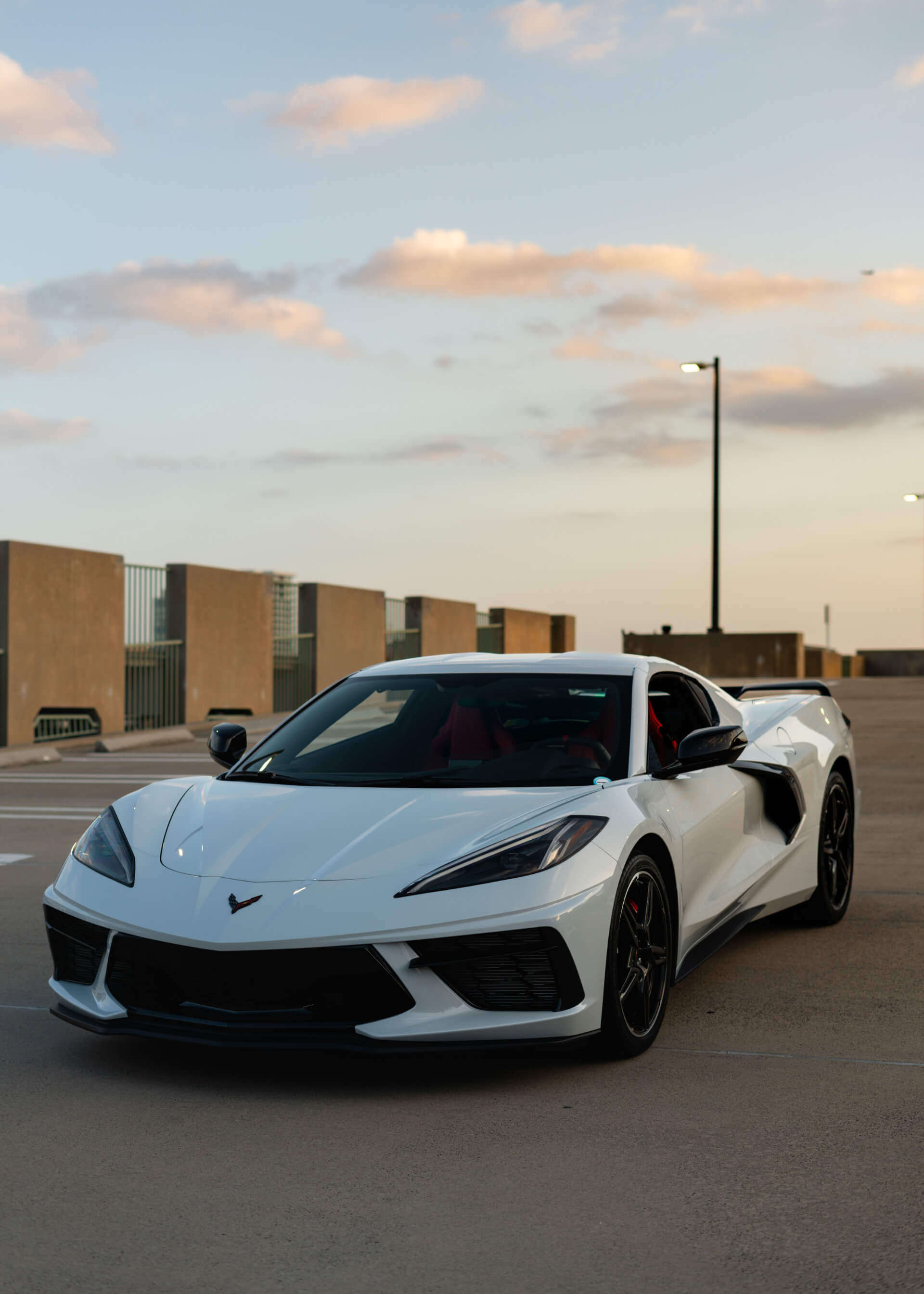
Icon Rocklear, ceramic coating, and paint protection film are three different paint-protection categories. They overlap in some benefits, but they are not interchangeable—and the most expensive option is not automatically the right one for every vehicle.
The short answer
- Choose ceramic coating when the main priorities are gloss, hydrophobic behavior, chemical and environmental resistance, and easier routine washing.
- Compare Icon Rocklear when you want a more substantial liquid-applied clear protective finish and value a certified local repair or re-coating pathway.
- Choose PPF when direct impact from stone chips and road debris is the dominant concern, especially on high-exposure panels.
None of these options makes paint invulnerable. The right recommendation depends on paint condition, prior repairs, driving exposure, maintenance habits, ownership plans, and the result you expect.
Three categories—not three versions of the same product
Ceramic coating
A professional ceramic coating bonds to prepared paint and becomes the working surface. System X documents gloss, hydrophobic behavior, chemical resistance, UV resistance, and easier contamination release as its practical strengths. Its warranty also excludes scratches, scuffs, chips, stones, and other physical damage, so “9H” hardness should not be confused with rock-chip protection.
Preparation remains critical. Contamination, oxidation, wash defects, and previous repair issues do not disappear because a coating is applied over them. The paint must be inspected, cleaned, and corrected to the appropriate level first.
Icon Rocklear
Icon Rocklear is a professionally applied clear protective coating—not a ceramic coating and not a sheet film. Icon distributor material reports a film build of up to approximately 63 microns in a certified application. Treat that as a manufacturer-reported specification, not a universal measurement for every vehicle.
Its added film build can visually reduce some light swirls, scuffs, and surface defects, while deeper scratches, chips, pitting, etching, paint failure, and body damage may remain visible or require separate repair. Minor coating damage may be evaluated for polishing or panel-level re-coating by a certified technician. Deep Reflections is the area’s only certified Icon Rocklear installer, so assessment, installation, aftercare, and future service remain with one local team.
Paint protection film
PPF is an adhesive-backed polyurethane film specifically designed to reduce damage from rock chips, abrasion, and road debris. Current 3M and XPEL technical documents place representative film systems at roughly 190–200 microns including or near the adhesive layer—considerably thicker than liquid-applied coatings.
Some PPF topcoats can self-heal minor surface scratches with time or heat. That does not mean deep gouges, punctures, torn film, or damaged paint will heal. Film also has boundaries and edges; partial coverage can leave a transition line, and high-pressure washing near edges can contribute to lifting.
What thickness does—and does not—tell you
Film build helps explain why these products behave differently, but thickness alone does not prove overall quality or determine the right choice. Ceramic products vary, Icon’s public figures are manufacturer-reported, and PPF combines a physical film with adhesive. A fair comparison starts with the job each category is designed to do.
- Ceramic coating: thin working surface for gloss, water behavior, environmental resistance, and easier cleaning.
- Icon Rocklear: more substantial liquid-applied clear finish with certified correction and re-coating options.
- PPF: physical sacrificial film built around impact and abrasion exposure.
Impact resistance is not the same as a chip guarantee
Icon reports higher laboratory impact resistance than conventional ceramic coatings, but its published warranty excludes stone chips and identifies PPF as the specialist category for maximum chip protection. System X also excludes chips, stones, and physical damage from its coating warranty.
PPF is the strongest category of the three for direct impact exposure, but it should still be described as reducing damage—not making a panel chip-proof. Film can be cut, punctured, stained, lifted, or damaged by an impact, and product warranties generally cover defined material failures rather than every road hazard.
Maintenance and repair paths are different
A ceramic-coated vehicle still needs safe washing, prompt contaminant removal, complete drying, and any required annual inspection. Icon Rocklear requires an initial cure period and installer-specific handover instructions; regional public documents differ on the first permitted wash, so follow the written care plan supplied with the actual installation rather than a generic online timeline.
Damaged PPF is normally evaluated by coverage section or panel and may need removal or replacement. Damaged Icon Rocklear is evaluated by a certified technician for polishing, correction, or re-coating. Ceramic coating on a repaired or polished panel is typically prepared and reapplied. None of the three eliminates future maintenance.
Can the systems be combined?
Sometimes—but installation order and compatibility must be confirmed for the exact products. Film manufacturers may require an uncoated surface before PPF installation, while a ceramic coating may be approved over certain films. Do not assume that one brand’s compatibility statement applies to every coating-and-film combination.
How Deep Reflections makes the recommendation
Deep Reflections does not force one protection system onto every vehicle. We inspect the finish, identify previous repairs or failing paint, discuss where and how the vehicle is driven, and explain what each category can and cannot realistically protect.
- For gloss, water behavior, and simpler maintenance, start with System X ceramic coating.
- For a substantial liquid-applied finish with a certified local service path, explore Icon Rocklear.
- For concentrated rock-chip exposure, evaluate PPF as the purpose-built impact category.
Ready for a vehicle-specific answer? Start your vehicle assessment and tell us what you drive, how you use it, and what you want to protect.
Official sources reviewed
This guide was checked against current System X automotive warranty terms, Icon Rocklear coating information, Icon Rocklear warranty information, and 3M paint protection film technical documentation. Product terms can change; the written warranty and aftercare supplied with the actual installation control.
Apply the guidance to your vehicle.
Tell Deep Reflections about the vehicle, its current condition, and the result you want. The recommendation should fit the finish—not force every owner into the same service.