Dealer Reconditioning Workflow: From Intake to Ready
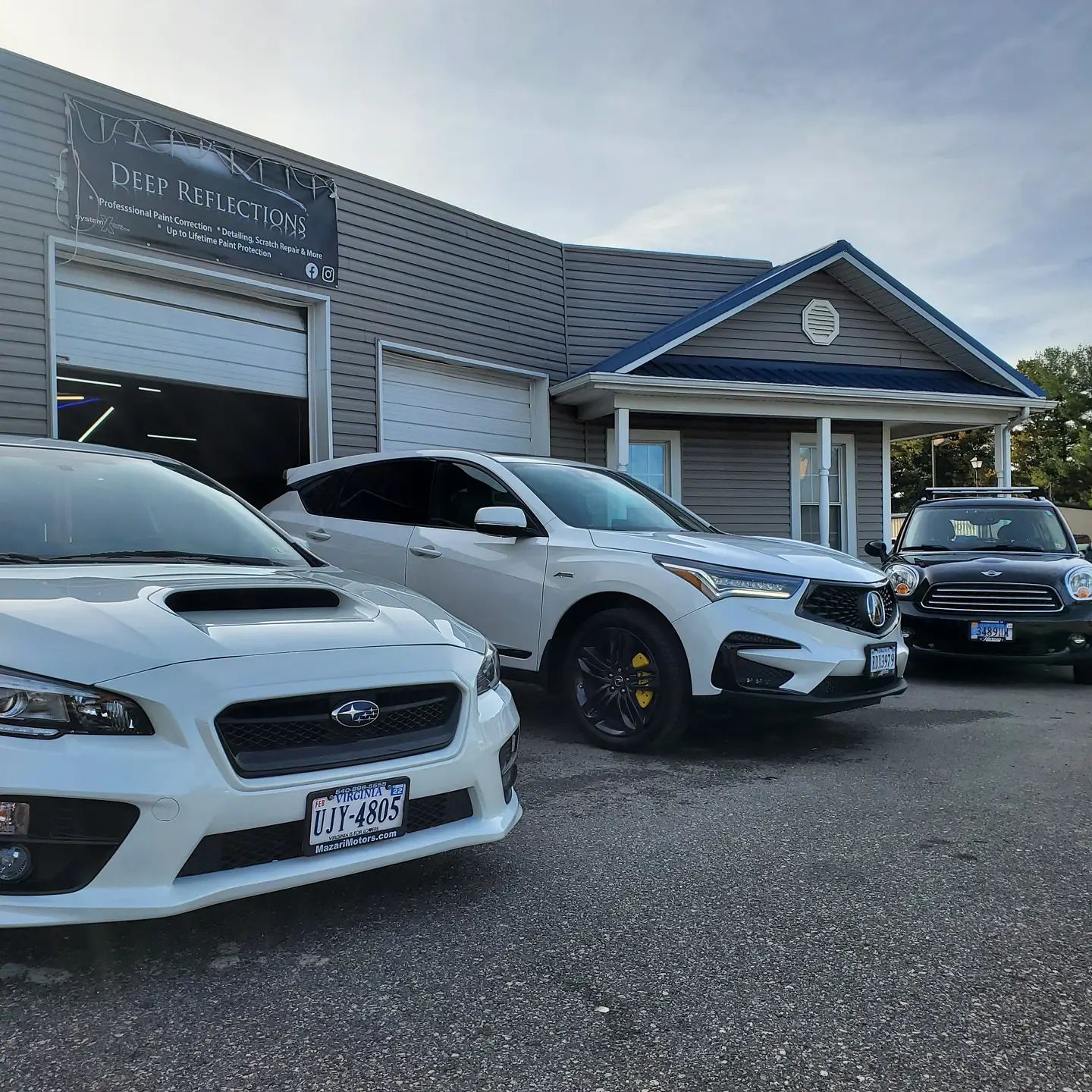
A useful dealership reconditioning workflow does not begin with one fixed package for every vehicle. It begins by identifying the inventory, the finish standard, the current bottleneck, and the operating details both teams can realistically support.
Deep Reflections works with dealerships from its Bridgewater shop to assess vehicle condition and discuss detailing, paint correction and restoration, protection, and rust-prevention needs. This guide explains the proposed working path; it does not promise capacity, pricing, turnaround, transport, billing terms, or a vendor account.
1. Start with fit, not a blanket package
The first conversation should establish the dealership location, approximate vehicle frequency, common conditions, intended sale position, desired presentation standard, and the services being considered. A clean retail-ready late-model vehicle and an older trade with paint defects should not automatically receive the same scope.
Deep Reflections uses that conversation to decide whether the inventory and requested work are a practical fit before representing timing or cost as final.
2. Triage each vehicle by condition and goal
- Professional detailing: interior, exterior, or full-vehicle care for inventory that needs a more considered presentation.
- Paint correction and restoration: assessment of swirls, oxidation, water spotting, scratches, chips, failing clear coat, and prior repair before a realistic improvement path is scoped.
- Protection: consideration of Icon Rocklear or System X ceramic coating when preparation, ownership intent, and the vehicle’s position justify it.
- Rust prevention: evaluation of NHOU oil undercoating for trucks, SUVs, Jeeps, and vehicles where corrosion exposure is part of the long-term value discussion.
Some defects may require body repair, mechanical repair, upholstery repair, or another specialist rather than detailing. That boundary should be identified before approval.
3. Define approval and communication
Before recurring work begins, both teams should agree how a vehicle is submitted, who can approve additional work, what documentation is useful, and how scope changes are communicated. A practical approval path prevents hidden conditions from becoming surprise work.
Questions to settle
- Who is the dealership contact for vehicle condition and approvals?
- Which services and conditions are the priority?
- What information should arrive with each vehicle?
- How should photos, findings, and recommendations be shared?
- Which changes require approval before work continues?
- What completion information does the dealership need?
4. Confirm operating details before promising them
Capacity, turnaround, pickup or delivery, key handling, after-hours access, pricing, payment terms, invoicing, and recurring-volume arrangements are operational commitments. Deep Reflections does not promise those details through this article or the dealer inquiry form. They are discussed directly with Wes and confirmed only when both teams can support them.
The same applies to protection warranties and maintenance. Product registration, annual inspections, customer handover, and aftercare responsibilities should be clear before a coating or protection system is added to inventory.
5. Complete, communicate, and review
For an approved vehicle, the working scope should guide preparation, service, inspection, and completion communication. If new conditions appear, the dealership should receive the finding and recommendation before the scope changes.
After initial vehicles are completed, both teams can review quality, communication, actual timing, and workflow friction. If the relationship is a strong fit, that first cycle becomes the basis for a repeatable process rather than an untested promise.
What the first dealer conversation should answer
- Which vehicles and service categories are the immediate priority?
- What finish standard or merchandising goal is the dealership trying to reach?
- What estimated volume or frequency should be evaluated?
- What approval, communication, and completion process is realistic?
- Which pricing, billing, transport, and timing details still need confirmation?
A clear next step
A dealership does not need a finished vendor program before reaching out. Share the inventory mix, current reconditioning challenge, services being considered, and desired start timing. Deep Reflections will review the inquiry and follow up to clarify fit and possible next steps.
Continue exploring: Review the Dealership Reconditioning page, see documented work in the Gallery, or start a dealer conversation.
Apply the guidance to your vehicle.
Tell Deep Reflections about the vehicle, its current condition, and the result you want. The recommendation should fit the finish—not force every owner into the same service.