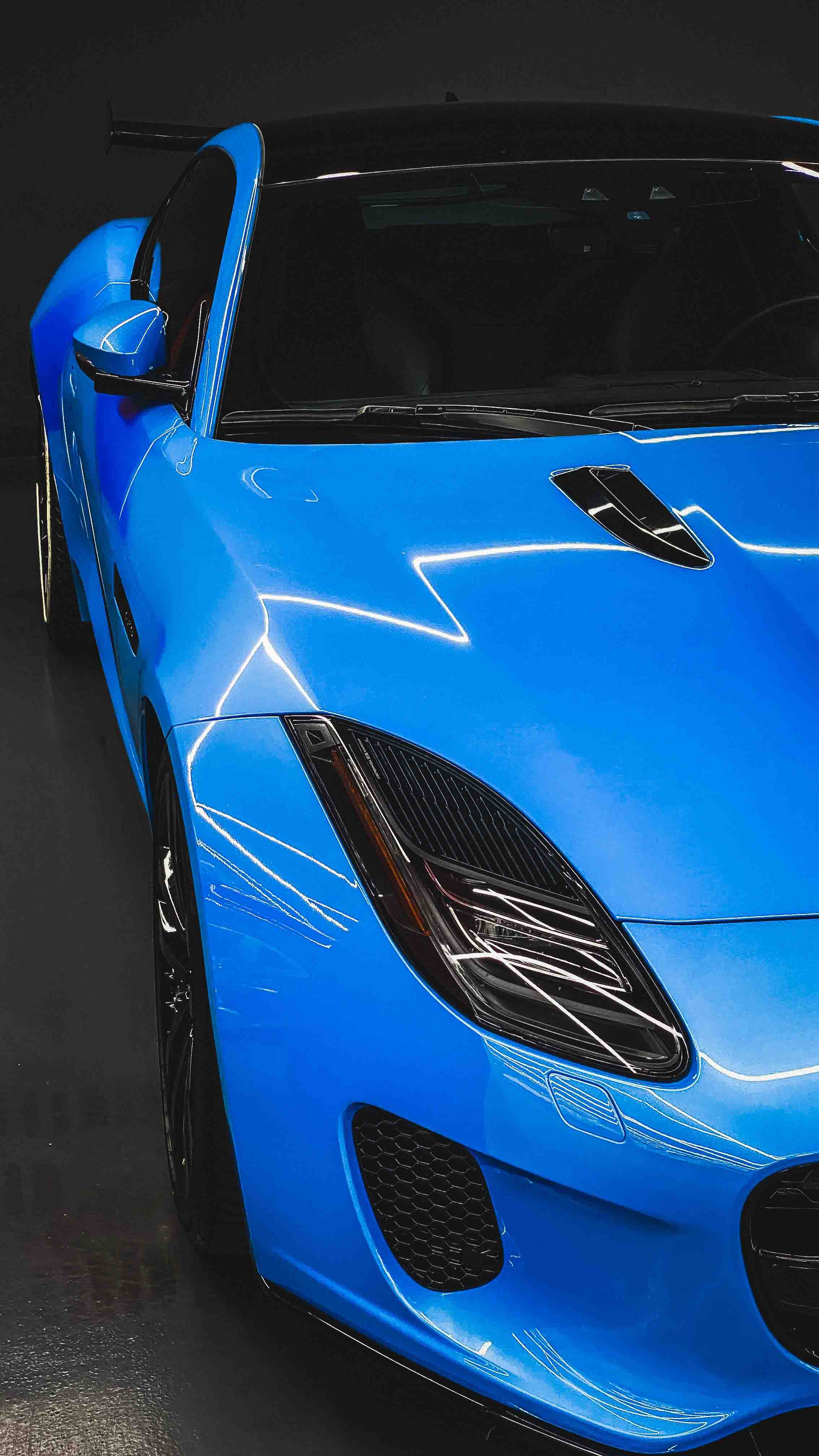
Ceramic Coating: What It Does and Doesn’t Do

Ceramic coating is a professionally applied protective layer that bonds to prepared automotive paint. Its practical value is not that it makes a vehicle maintenance-free. It is that a properly installed coating can improve gloss, make routine washing easier, and provide a sacrificial surface between the factory clear coat and common environmental contamination.
What ceramic coating can do
System X describes its automotive coatings as chemically resistant, hydrophobic surfaces designed to help contaminants release more easily. For an owner, that usually means stronger water behavior, easier removal of ordinary road film, and a finish that is simpler to maintain than unprotected paint.
A coating can also help reduce exposure to oxidation, UV, acid rain, and loss of gloss when it is installed and maintained according to the applicable product and warranty terms. Exact coverage and duration depend on the System X product selected, registration, annual inspections, vehicle use, and proper care.
What ceramic coating cannot do
Ceramic coating is not paint protection film, and it does not make paint scratch-proof or rock-chip-proof. It cannot repair failing clear coat, deep scratches, chips, dents, corrosion, or poor previous bodywork. Hard-water spots can still form, and careless washing can still create swirls or marring.
If impact protection is the main priority, paint protection film may be the more appropriate category. If the finish is already damaged or dull, paint correction or restoration may need to come before any coating.
Preparation determines the visible result
A coating follows the surface beneath it. Applying one over bonded contamination, oxidation, haze, or wash defects preserves those problems rather than correcting them. Deep Reflections begins with an inspection, decontamination, and a test process before recommending how much correction is appropriate.
Not every vehicle needs a multi-stage correction. The right preparation depends on paint condition, remaining clear coat, previous repairs, intended use, and the result the owner expects. The goal is to improve the finish safely—not remove more material than necessary.
The first two weeks matter
System X states that a new coating takes roughly two to three days to reach full hardness, while directing owners not to wash the vehicle during the first two weeks. During that initial period, avoid unnecessary handling and do not allow bird droppings, tree sap, pollen, mineral-rich water, or other contamination to remain on the surface. Contact the installer for safe removal guidance if the vehicle is contaminated before its first scheduled wash.
A practical Shenandoah Valley maintenance plan
Routine washing
- Use a careful hand wash or a touchless automatic wash; System X states that brush-style automatic washes can void warranty coverage.
- Use mild, coating-compatible soap and clean microfiber wash media.
- Rinse thoroughly and dry the vehicle rather than allowing water to evaporate on the paint.
- Do not assume water beading means the surface is clean; road film and mineral deposits still need safe removal.
- Do not add conventional wax unless the installer confirms it is compatible and useful for the installed coating.
Winter road-treatment exposure
VDOT documents the use of sodium-chloride brine, dry salt, calcium chloride, magnesium chloride, and abrasives on Virginia roads. It recommends washing a vehicle after contact with winter-treatment chemicals to protect the finish. For a coated vehicle, remove that residue with a safe hand or touchless wash, rinse wheel wells and high-exposure areas, and dry the paint completely. Do not use a brush wash simply because the vehicle is heavily soiled.
Warm-weather contamination
Bird droppings, tree sap, insects, pollen, and hard-water deposits can still affect a coating. Handle them promptly with approved methods and avoid aggressive scrubbing. If contamination no longer releases during a normal wash, ask the installer about professional decontamination rather than escalating to harsh chemicals or abrasives.
Annual inspection
System X warranty terms require annual inspection by an approved applicator within the stated anniversary window. The current terms say that the inspection may include washing, decontamination, a maintenance product or topcoat, and a recorded inspection, with the applicator setting the service fee. Ask Deep Reflections which requirements apply to your specific product and invoice.
When water behavior changes
Reduced beading does not automatically mean the coating is gone. Road film, minerals, soap residue, and bonded contamination can temporarily reduce hydrophobic behavior. Start with a safe wash and professional assessment. The appropriate fix may be decontamination or a maintenance treatment—not immediate replacement of the coating.
The right coating starts with the vehicle
Deep Reflections installs System X coatings for cars, trucks, SUVs, Jeeps, and daily drivers in Bridgewater and the Shenandoah Valley. The product and warranty should be selected only after the paint, ownership plans, driving conditions, and maintenance habits are understood.
Continue exploring: See the System X ceramic coating service, use our ceramic coating buyer checklist, compare Icon Rocklear, ceramic coating, and PPF, or start a vehicle assessment.
Official sources reviewed
- System X aftercare and washing guidance
- System X automotive warranty terms
- VDOT: How VDOT Keeps Roads Clear in Winter
Manufacturer care instructions and warranty terms can change. Deep Reflections will confirm the product-specific handover and inspection requirements for the coating installed on your vehicle.
Apply the guidance to your vehicle.
Tell Deep Reflections about the vehicle, its current condition, and the result you want. The recommendation should fit the finish—not force every owner into the same service.